

Is My Older Dog Just Slowing Down, or in Pain? Recognizing Arthritis During Damp Houston Winters
Is My Older Dog Just Slowing Down, or in Pain? Recognizing Arthritis During Damp Houston Winters
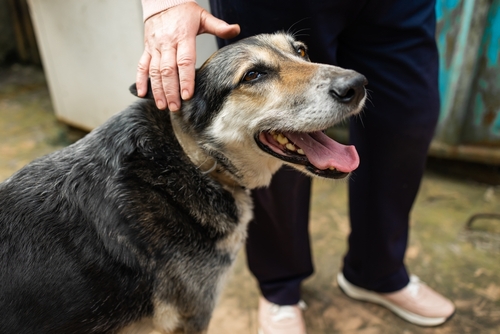
When your older dog hesitates before standing up or starts cutting walks short, it is easy to assume age is catching up. But changes in movement can signal pain. At Ella Veterinary Clinic, we encourage Houston pet owners to bring these changes to our attention so we can look for arthritis and other causes of discomfort.
Why Slowing Down Deserves a Closer Look
Osteoarthritis is a progressive joint condition that can cause inflammation, stiffness, and reduced mobility. Although it is common in older dogs, it should not be dismissed as an unavoidable part of aging.
Pain does not always look like crying or an obvious limp. Your dog may simply stop doing things that used to come easily, such as climbing onto a favorite couch or greeting you at the door. These gradual changes deserve a veterinary evaluation, even if your dog still eats well and enjoys attention.
What Damp Houston Winters Can Reveal
During cooler, rainy stretches in Houston, some dogs with arthritis may seem stiffer or more reluctant to move. The relationship between weather and joint pain is not fully understood, and damp conditions alone do not establish an arthritis diagnosis.
Pay attention to whether your dog struggles after resting, avoids walks, or takes longer to get comfortable. Changes that persist when the weather improves still need attention.
Signs of Arthritis to Watch For
We recommend watching for changes in your dog's usual routine, including:
Difficulty standing up after sleeping or resting
Limping, stiffness, or a shorter stride
Hesitation on stairs or when getting into the car
Less interest in walks, play, or family activities
Irritability when touched or trouble settling comfortably
These signs can also occur with injuries or other health problems. A short video of your dog walking or rising at home can help us understand changes that may be less apparent during an appointment.
How We Evaluate Joint Pain
We begin with your dog's history and a physical examination, including an assessment of movement and joint comfort. Depending on our findings, we may recommend X-rays or other testing to investigate arthritis and rule out other causes.
If arthritis is diagnosed, we can discuss an individualized plan that may include prescription pain relief, weight management, and appropriate exercise. Follow-up visits help us assess comfort and adjust care as your dog's needs change.
Helping Your Dog Stay Comfortable at Home
A supportive bed in a warm, dry area can make resting easier. Nonslip rugs and a stable ramp can reduce slipping and difficult jumps. Keep activity gentle and consistent, with walks tailored to your dog's comfort and our recommendations.
Do not give human pain relievers, including ibuprofen or naproxen, unless specifically directed by a veterinarian. These medications can be dangerous for dogs. Sudden inability to stand, severe pain, or refusal to bear weight warrants prompt veterinary attention.
If your older dog is moving differently or struggling through cooler days, contact Ella Veterinary Clinic in Houston, TX, by calling (713) 574-8866 to schedule an evaluation and let us help your companion move more comfortably.
Quick Links

All Services
Learn More
Keep
In Touch
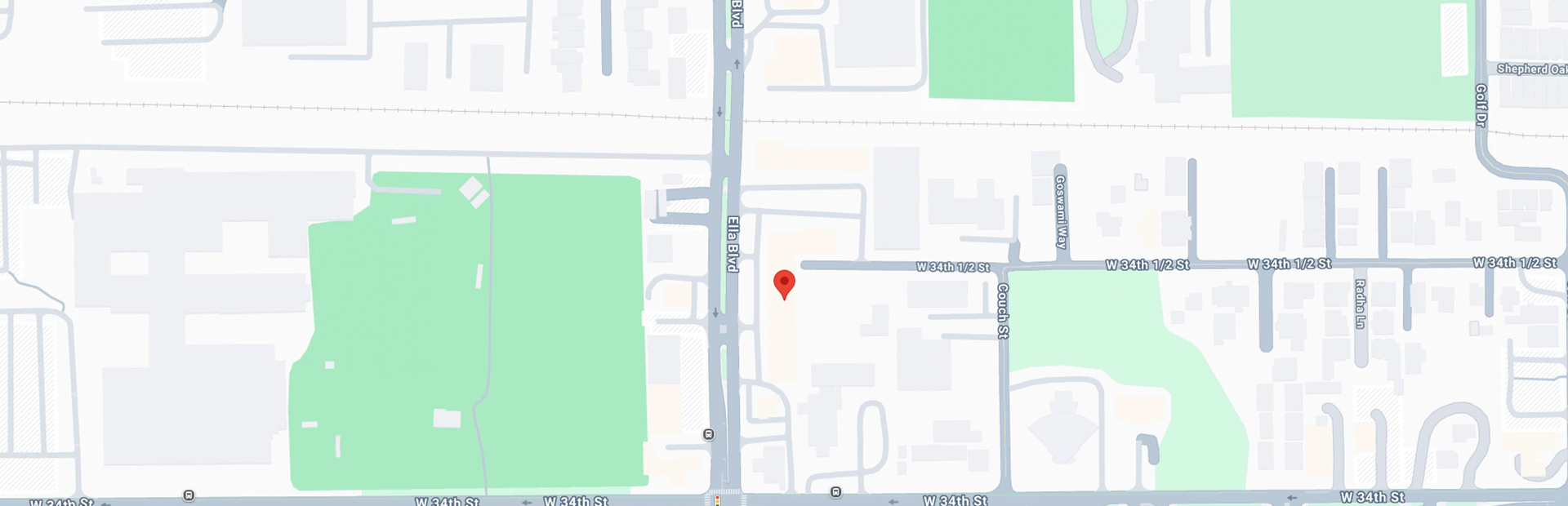
MAP


Operating Hours
- Monday 08:00 AM - 06:00 PM
- Tuesday 08:00 AM - 06:00 PM
- Wednesday 08:00 AM - 06:00 PM
- Thursday 08:00 AM - 06:00 PM
- Friday 08:00 AM - 06:00 PM
- Saturday 8:00 am - 1:00 pm
- Sunday Closed
- We are closed for lunch Mon- Fri from 12pm-1pm
© 2026 Ella Veterinary Clinic. All rights Reserved. Accessibility Statement - Privacy Policy - Sitemap
Managed and Designed by:
