

Dog Teeth Cleaning in Houston: What Happens During a Veterinary COHAT Exam (and Why Anesthesia Matters)
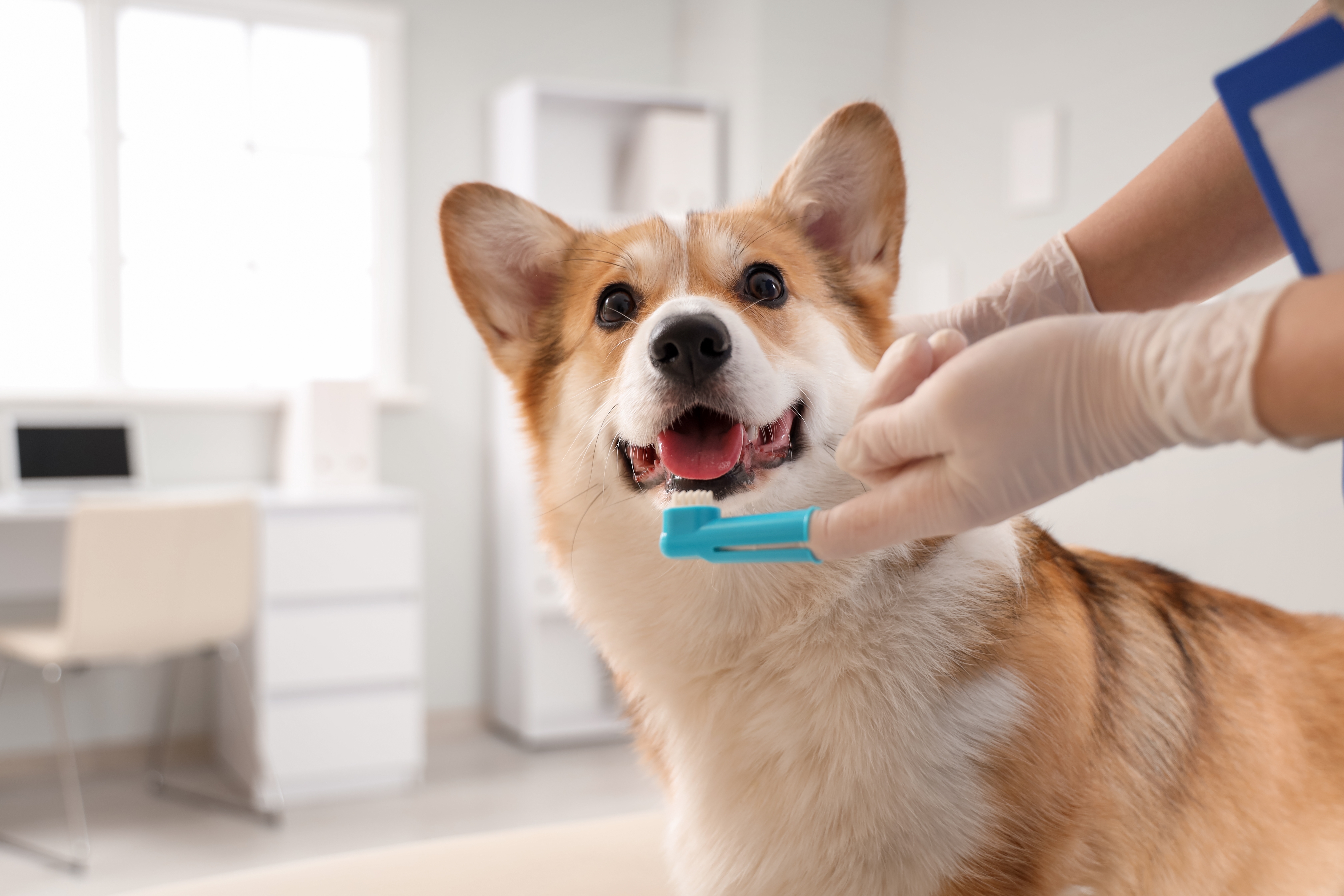
Your dog's teeth may look healthy at a glance even when problems are developing below the gumline. Bad breath, tartar buildup, and red gums can be signs of dental disease. At Ella Veterinary Clinic, we want Houston pet owners to understand what happens during professional dog teeth cleaning and why a thorough oral assessment matters. Knowing what to expect can help you make informed decisions about your dog's dental care.
What Is a Veterinary COHAT Exam?
COHAT stands for Comprehensive Oral Health Assessment and Treatment. It involves much more than removing visible tartar. A COHAT evaluates the teeth, gums, and surrounding oral structures to identify problems such as periodontal disease, fractured teeth, or infection.
An awake oral exam can reveal some concerns, but dogs cannot remain still for the detailed examination and dental X-rays needed to assess the entire mouth. A comprehensive assessment is performed under general anesthesia.
What Happens During a Dog Dental Cleaning?
Although the exact process depends on your dog's health and dental findings, a veterinary COHAT typically includes:
· Pre-anesthetic evaluation: The veterinarian reviews your dog's medical history, performs an examination, and may recommend bloodwork or additional testing before anesthesia.
· Anesthesia and monitoring: Your dog receives general anesthesia so the veterinary team can examine and treat the mouth while monitoring vital signs.
· Detailed dental assessment: Each tooth and the surrounding gum tissue are examined for damage, inflammation, and periodontal pockets.
· Dental X-rays: Radiographs help identify problems beneath the gumline, including affected tooth roots and bone loss that may not be visible.
· Cleaning and treatment: Plaque and tartar are removed above and below the gumline, teeth are polished, and any additional treatment needs are discussed with you.
These findings help the veterinarian recommend dental care based on your dog's individual needs.
Why Is Anesthesia Important for Dog Teeth Cleaning?
Many Houston pet owners understandably have questions about anesthesia. General anesthesia makes it possible to examine hard-to-reach areas, obtain clear dental X-rays, and clean beneath the gums without unnecessary movement, stress, or pain.
Anesthesia-free cleaning may remove visible buildup, but it cannot replace a complete veterinary dental assessment. It also leaves important areas below the gumline inadequately examined or cleaned.
Anesthesia carries risks, which is why veterinarians evaluate each dog's age, medical history, and individual health needs before recommending a procedure. Appropriate planning and monitoring help manage those risks.
What Should You Expect After the Procedure?
Following a dog dental cleaning, your veterinarian will explain the findings, review any treatment performed, and provide recovery instructions. Some dogs may be sleepy after anesthesia. If extractions or other procedures were necessary, recommendations may include temporary dietary changes, pain medication, and follow-up care.
At home, regular brushing with dog-safe toothpaste and veterinarian-recommended dental products can help reduce plaque buildup. However, home care does not replace professional dental evaluations.
If your dog has persistent bad breath, visible tartar, or difficulty chewing, contact Ella Veterinary Clinic in Houston, TX, at (713) 574-8866 to schedule a dental evaluation and discuss whether professional teeth cleaning is appropriate.
Quick Links

All Services
Learn More
Keep
In Touch
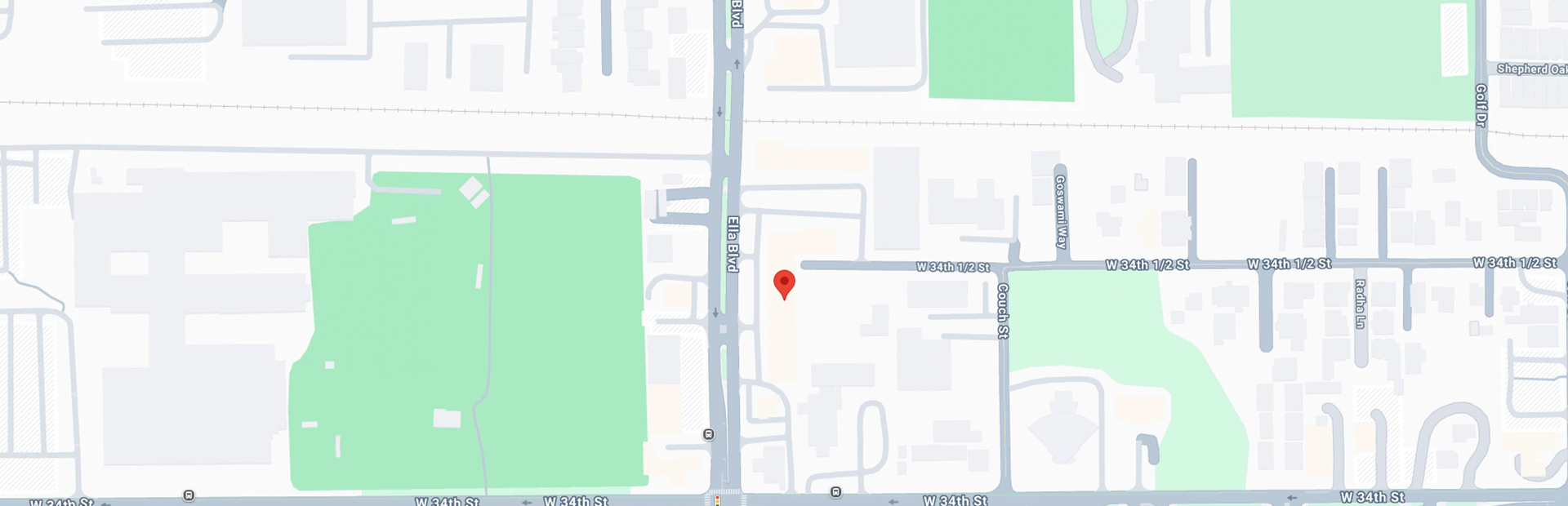
MAP


Operating Hours
- Monday 08:00 AM - 06:00 PM
- Tuesday 08:00 AM - 06:00 PM
- Wednesday 08:00 AM - 06:00 PM
- Thursday 08:00 AM - 06:00 PM
- Friday 08:00 AM - 06:00 PM
- Saturday 8:00 am - 1:00 pm
- Sunday Closed
- We are closed for lunch Mon- Fri from 12pm-1pm
© 2026 Ella Veterinary Clinic. All rights Reserved. Accessibility Statement - Privacy Policy - Sitemap
Managed and Designed by:
